
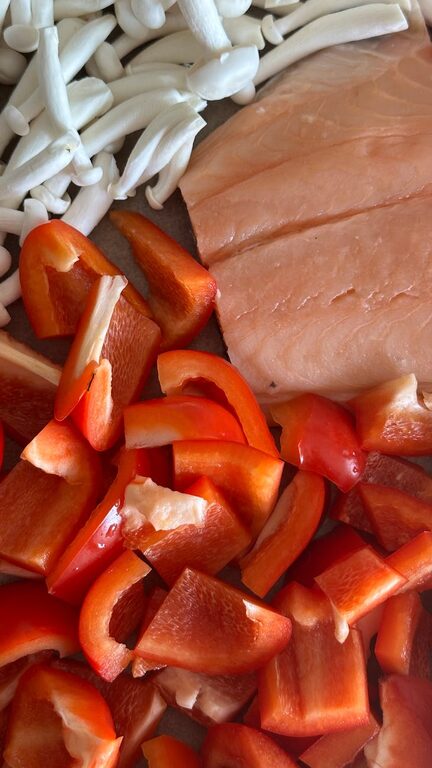
Planning balanced meals doesn’t have to be overwhelming or time-consuming. With a few simple strategies, you can create nutritious and tasty meals that support your health and fit your lifestyle. Whether you’re cooking for yourself, your family, or guests, this guide will help you organize your meals easily and stress-free.
Why Balanced Meals Matter
A balanced meal typically includes a mix of protein, carbohydrates, healthy fats, and plenty of vegetables or fruits. This combination fuels your body, supports your energy levels, and promotes overall wellness. Balanced meals also help maintain steady blood sugar levels, which can improve mood and concentration.
However, the idea of “perfect” meals can sometimes feel intimidating. The good news is that balance doesn’t mean perfection—it’s about making mindful choices that add up over time.
Step 1: Understand the Basics of a Balanced Plate
Before you start planning, it’s helpful to have a simple framework:
– Vegetables and fruits: Aim for half your plate to be colorful vegetables and some fruit.
– Proteins: Include a source of protein, such as lean meat, poultry, fish, beans, tofu, or eggs.
– Whole grains: Choose whole grains like brown rice, quinoa, whole wheat bread, or oats.
– Healthy fats: Incorporate healthy fats from sources like olive oil, nuts, seeds, or avocado.
This basic outline creates a satisfying and nourishing meal that supports a healthy lifestyle.
Step 2: Make a Simple Weekly Meal Plan
Planning a week ahead can reduce daily decision fatigue and grocery runs.
How to start:
– Set aside 15-30 minutes weekly: Choose a consistent time to plan your meals.
– Check your calendar: Consider your schedule, noting busy days or special events.
– Choose 3-5 dinner ideas: Pick simple, balanced recipes you enjoy.
– Plan leftovers: Cook larger portions to have quick meals on busier days.
– Include variety: Rotate proteins and vegetables to keep meals interesting.
Sample Weekly Dinner Plan:
| Day | Protein | Veggies | Carb | Notes |
|———–|——————|——————–|———————|———————————-|
| Monday | Grilled chicken | Steamed broccoli | Quinoa | Add olive oil and lemon for flavor|
| Tuesday | Baked salmon | Roasted asparagus | Brown rice | |
| Wednesday | Chickpea curry | Spinach | Whole wheat pita | Use canned chickpeas for ease |
| Thursday | Turkey meatballs | Zucchini noodles | Side salad | Use ground turkey, tomato sauce |
| Friday | Stir-fried tofu | Mixed vegetables | Jasmine rice | Quick and colorful meal |
Step 3: Keep Your Kitchen Stocked with Essentials
Having staple ingredients on hand makes meal preparation faster and less stressful.
Pantry staples to consider:
– Canned beans and lentils
– Whole grains (rice, pasta, oats, quinoa)
– Cooking oils (olive oil, avocado oil)
– Spices and herbs for flavor
– Nut butters and nuts
– Frozen vegetables and fruits
Fridge essentials:
– Fresh vegetables and fruits
– Eggs and dairy or plant-based alternatives
– Lean proteins (chicken breasts, tofu)
– Pre-washed salad greens
Step 4: Batch Cook and Prep Ahead
Making a batch of food during your free time can save cooking time on busy days.
Tips for batch cooking:
– Prepare grains like rice or quinoa in bulk.
– Roast a large tray of mixed vegetables.
– Cook proteins in advance, such as baked chicken or boiled eggs.
– Portion meals in containers for grab-and-go lunches or dinners.
Batch cooking means you always have a nutritious option ready, cutting down on last-minute stress.
Step 5: Use Simple, Flexible Recipes
Choose recipes that are forgiving and easy to adapt based on what you have.
Examples of flexible meal ideas:
– Stir-fries: Use any combination of protein, vegetables, and sauce.
– Salads: Mix different greens, veggies, nuts, and protein with your favorite dressing.
– Grain bowls: Start with cooked grains then add beans, veggies, and dressing.
– Omelets or frittatas: Include leftover vegetables and cheese or meat.
Allowing yourself to swap ingredients based on availability helps reduce stress and food waste.
Step 6: Listen to Your Body and Preferences
Balanced meals should feel good to you. Feel free to:
– Adjust portions based on hunger
– Incorporate favorite flavors and textures
– Enjoy treats and indulgences without guilt
Meal planning is a tool to support your lifestyle, not a source of pressure. It’s okay to keep it simple and focus on progress, not perfection.
Final Thoughts: Make Meal Planning Enjoyable
By following these steps, you can simplify meal planning and create nutritious, satisfying meals every day. Use cooking as a creative outlet, involve family members, or explore new recipes to keep things fresh. Remember, the goal is to nourish your body without added stress.
Healthy eating is a journey, and each balanced meal is a positive step forward. Happy cooking!